
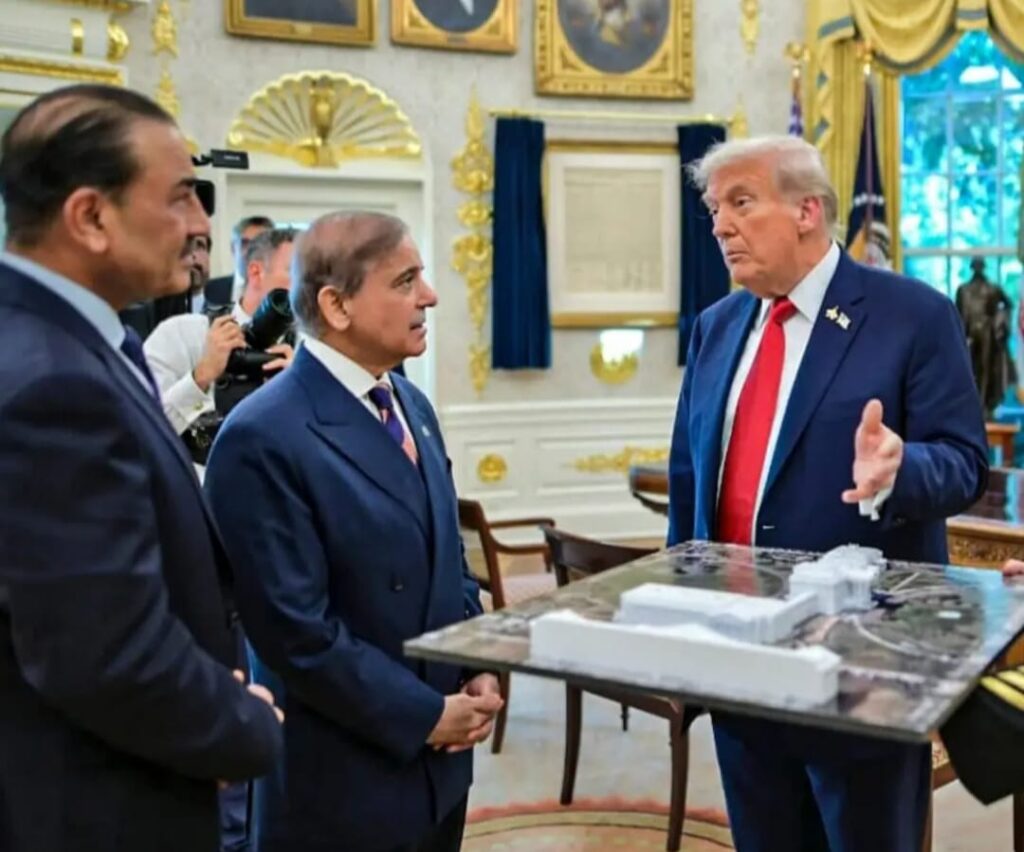
Recent media reports have brought attention to Pakistan’s diplomatic efforts aimed at rebuilding ties with the United States following Operation Sindoor, a military episode that had heightened regional tensions in South Asia. According to reports, Pakistan sought to reposition itself as a strategic partner to the US during the administration of former President Donald Trump, using diplomatic channels and professional lobbying services.
Background: Operation Sindoor and Regional Tensions
Operation Sindoor marked a sensitive phase in India–Pakistan relations, attracting global attention due to concerns over regional stability. Following the operation and subsequent developments, behind-the-scenes diplomatic activity intensified as countries in the region re-evaluated their international positions, especially with major global powers such as the United States.
Amidst this backdrop, Pakistan reportedly expressed public gratitude towards then US President Donald Trump for his role in reducing tensions and encouraging a ceasefire-like environment. This public message was followed by more formal diplomatic outreach efforts.
Lobbying Efforts and Strategic Messaging
According to media reports, Pakistan hired the services of US-based lobbying firm, Squire Patton Boggs, to communicate with senior officials of the US State Department. Allegedly Elizabeth K. An email was sent to Horst, who was overseeing South Asia affairs at the time.
In this outreach, Pakistan presented itself to the United States as a valuable strategic “asset”. The message focused on Pakistan’s potential role in supporting US economic and geopolitical interests in the region.
Emphasis on Economic and Trade Cooperation
One of the key elements of Pakistan’s outreach was the emphasis on economic cooperation. The country reportedly highlighted its desire to increase imports from the United States, establishing itself as a growing market for American goods and services.
Trade and economic diplomacy have long been at the center of US foreign policy, and Pakistan’s approach appeared to be in line with this priority. By emphasizing US export opportunities, Pakistan aims to strengthen its relevance within Washington’s broader economic strategy.
Focus on Critical Minerals and Strategic Resources
Another notable aspect of the outreach was Pakistan’s attempt to present itself as a potential hub of critical minerals. These resources are becoming increasingly important to global supply chains, especially in industries such as renewable energy, technology manufacturing and defense.
By emphasizing its mineral potential, Pakistan sought to align itself with US efforts to diversify supply chains and reduce dependence on limited global sources. This strategy reflects a growing trend where countries take advantage of natural resources to enhance their geopolitical position.
Diplomatic Context and US Foreign Policy
The reported developments highlight the complex nature of US-South Asia relations. The United States has historically balanced its strategic interests among a number of regional players, including India and Pakistan, based on emerging geopolitical needs.
During the Trump administration, US foreign policy emphasized transactional diplomacy, economic gains, and strategic partnerships. Pakistan’s approach appears to be tailored to these priorities, focusing on trade, resources and regional cooperation.
No Official Confirmation from Governments
It is important to note that although these reports have attracted significant attention, there has been no detailed public confirmation from official US or Pakistani government sources regarding the full scope or impact of these communications.
Diplomatic engagement through lobbying firms is not uncommon in Washington, and such efforts do not automatically translate into policy changes. They are often part of broader, long-term strategies aimed at maintaining communication and visibility.
Broader Implications for South Asia
The reported outreach underscores how geopolitical events in South Asia can influence diplomatic strategies beyond the region. It also highlights the role of professional lobbying, economic diplomacy, and strategic messaging in modern international relations.
For observers, this episode serves as an example of how countries adapt their foreign policy narratives in response to changing regional and global dynamics.
Conclusion
Pakistan’s reported efforts to engage the Trump administration after Operation Sindoor reflect a deliberate attempt to rebuild diplomatic goodwill through economic and strategic positioning. By emphasizing trade opportunities, vital resources, and cooperation, Pakistan sought to align its message with US priorities at the time.
Although the long-term impact of these efforts remains uncertain, this episode provides insight into the evolving nature of diplomacy, where economic incentives and strategic assets play an increasingly central role alongside traditional political engagement.
DesclaimerThe information provided in this article is based on publicly available reports and media sources and is intended for general informational purposes only. While every effort has been made to ensure accuracy, the publisher does not guarantee the completeness, reliability, or timeliness of the information presented.