
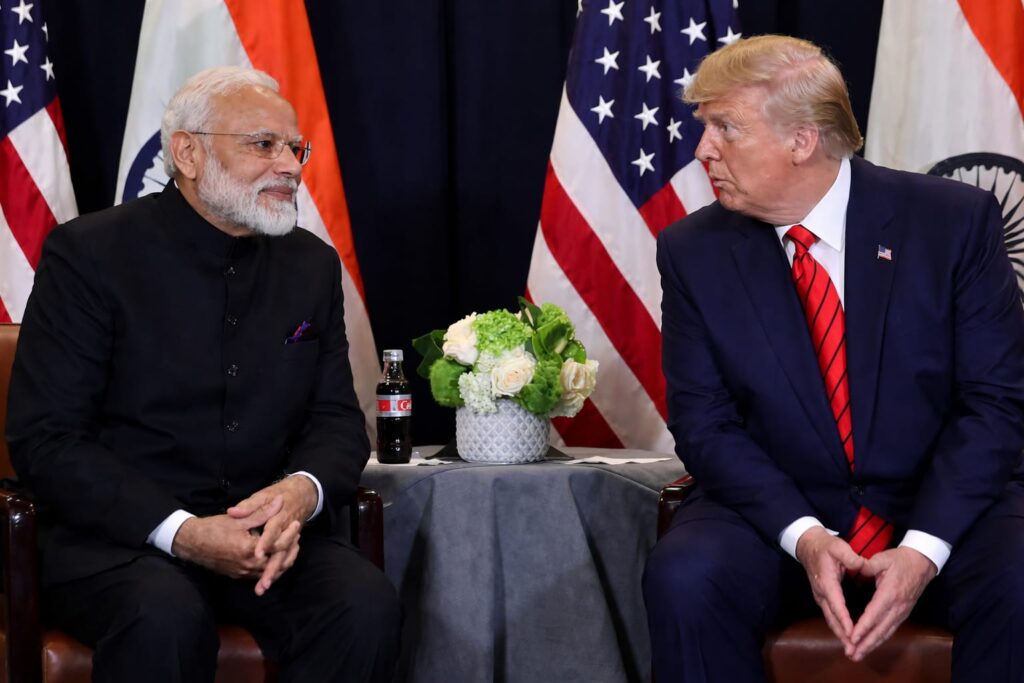
India has reportedly imposed a 30 percent import duty on pulses originating from the United States, a move that signals a calibrated response to earlier tariff actions taken by Washington. While the decision was not widely publicised at the time it came into effect, it has recently drawn attention after reports indicated that the measure was introduced as a counterstep to higher duties imposed on Indian exports by the US.
The development highlights the complex and often delicate nature of trade relations between the two countries, which continue to engage each other as strategic partners while navigating periodic economic disagreements.
Background to the Tariff Decision
According to reports, India had imposed import duty on US pulses on November 1, 2025. The move was taken after the US imposed heavy tariffs on some Indian goods, which reportedly reached 50 percent. Rather than opting for a public or confrontational response, India has opted for a quiet policy adjustment, reflecting its preference for maintaining a broader diplomatic balance.
Trade experts say such measured actions are not unusual in international commerce. Governments often respond to tariff measures through targeted duties that protect domestic interests without escalating tensions or creating prolonged disputes.
Reaction From the United States
The issue gained widespread attention after two US senators reportedly wrote to former President Donald Trump, urging intervention and calling India’s import tariffs unfair to US agricultural producers. Pulses, which include commodities such as lentils and dried peas, represent an important export segment for U.S. farmers, especially in states where agricultural exports play an important economic role.
The letter reflects domestic pressures within the American political system, where lawmakers are often forced to advocate for local industries affected by global trade policies. However, such appeals do not always translate into immediate policy reversals, especially when trade decisions are part of broader negotiations.
India’s Perspective and Strategic Considerations
From India’s perspective, the tariff decision appears to be in line with its long-term approach to trade policy – protecting domestic producers while remaining open to negotiations. Pulses are an economically and socially sensitive commodity in India, as they are a major component of the country’s food consumption and agricultural ecosystem.
By imposing duty on imported pulses, India can provide some degree of support to domestic farmers, especially during fluctuations in global prices. Also, the absence of public announcements suggests an effort to avoid unnecessary tension with a major trading partner.
A Delicate Balancing Act
India-US trade relations have expanded significantly over the past decade, covering goods, services, technology, and strategic cooperation. However, disagreements over tariffs, market access and regulatory standards have surfaced from time to time.
Analysts believe the recent tariff move reflects India’s attempt to strike a balance between asserting its economic interests and preserving long-term diplomatic ties. Quiet policy actions leave room for dialogue and signal that unilateral trade measures will not go unanswered.
Impact on Trade and Markets
The immediate economic impact of the tariffs on US pulse exports to India is expected to depend on several factors, including global supply levels, domestic demand in India, and alternative export markets available to US producers. While higher fees may reduce competitiveness, trade flows often adjust over time as buyers and sellers react to price signals.
For Indian consumers, the impact is likely to be limited in the short term, given the country’s diverse sourcing strategies and domestic production capacity. Nonetheless, policymakers are paying attention to price stability, especially for essential food items.
Broader Implications for Trade Policy
The episode underscores a broader trend in global trade, where nations are increasingly using targeted tariffs as a negotiating tool rather than a broader economic confrontation. Such measures are often designed to express solutions without disrupting entire trade relationships.
Experts suggest that future discussions between India and the US are likely to address these tariff concerns within the broader framework of trade cooperation. Ongoing dialogue can focus on reducing friction, aligning regulatory standards, and expanding mutually beneficial market access.
Looking Ahead
As both countries focus on changing economic priorities, the focus is expected to remain on negotiations and agreements. Trade policy decisions, although sometimes controversial, are only one part of a multidimensional relationship that includes strategic, technological, and geopolitical dimensions.
India’s reported tariffs on US pulses serve as a reminder that even strong partnerships require constant negotiation and adjustment. How both sides manage such issues will shape the tone and trajectory of their economic partnership in the years to come.
Disclaimer: This article is based on publicly available reports and information available at the time of writing. Trade policies and diplomatic discussions are subject to change.