
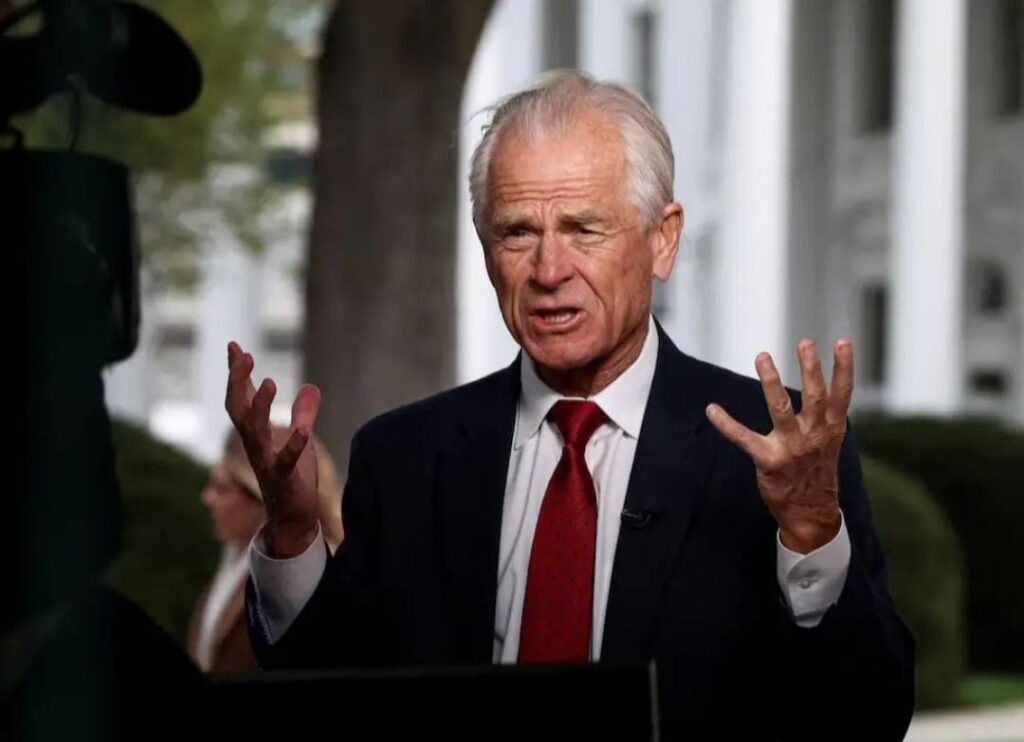
Recent political remarks by a senior American business figure have brought artificial intelligence to the center of international trade discussions, once again drawing attention to the growing economic relationship between the United States and India. The statement, which raised questions about why US resources were being used to power AI services used by users overseas, has sparked discussion beyond politics on the future of technology, globalization and digital cooperation.
At the center of the discussion is the increasing global reach of AI platforms. Most large-scale artificial intelligence systems rely on powerful data centers, advanced chips, and uninterrupted power – most of which are currently located in the United States. As these platforms serve millions of users around the world, including a rapidly growing user base in India, questions are being raised about who pays for the infrastructure and who ultimately benefits.
Understanding the Concern
The core argument behind the remark is economic in nature. It suggests that when AI services operate on American soil but serve international users, domestic infrastructure shoulders a disproportionate burden. This view frames AI as a national resource that should primarily benefit the country where it is built.
However, technology experts argue that this interpretation oversimplifies how global digital businesses function. AI platforms are not public utilities funded by taxpayers alone; they are commercial services run by private companies. These companies generate revenue from global subscriptions, enterprise contracts, and licensing agreements, which help offset operational costs and contribute to profits, taxes, and reinvestment.
India: More Than Just a User Market
India’s participation in the global AI ecosystem goes far beyond consumption. The country has become one of the world’s largest hubs for software development, data analysis and technology services. Indian engineers and researchers contribute extensively to AI training, testing, deployment and maintenance for international companies.
Additionally, India’s startup ecosystem has increasingly focused on AI-powered solutions in healthcare, finance, education, and logistics. Many of these innovations are exported globally, reinforcing the idea that AI development today is a shared, cross-border effort rather than a one-way transaction.
Industry analysts say rapid progress in AI would not be possible without global talent and international markets. From this perspective, AI is less about national ownership and more about interconnected value creation.
Political Context Matters
Observers say such statements often come in an era of increasing political messages. Trade, outsourcing, and technology leadership have long been sensitive topics in American domestic politics. Artificial intelligence, now seen as both an economic driver and a strategic asset, has naturally entered this conversation.
By highlighting concerns over foreign use of US-based AI infrastructure, political figures can appeal to voters concerned about energy costs, job security and technological dominance. Although these concerns resonate with a section of the public, critics warn that overly nationalistic narratives could hamper global cooperation in technology.
What the Tech Industry Says
Technology companies and policy experts have largely responded by emphasizing economic reality. Global platforms depend on scale. Serving international users increases revenues, accelerates innovation and strengthens competitiveness against rival companies in other sectors.
Additionally, many countries, including India, are investing heavily in their own data centers and cloud infrastructure. Over time, this could lead to a more balanced global distribution of computing power, reducing dependence on any one country.
Experts also stress that limiting access based on geography can slow innovation and fragment the Internet, creating barriers that harm businesses and users alike.
The Bigger Picture
The debate reflects a broader challenge facing governments around the world: how to regulate and control AI in an interconnected digital economy. As AI adoption accelerates, issues such as energy consumption, data privacy, taxation, and fair competition are becoming increasingly complex.
Rather than defining AI as a source of conflict, analysts suggest focusing on collaboration. Bilateral technology agreements, transparent pricing models, and shared standards can address concerns while preserving innovation.
Conclusion
The renewed attention on AI infrastructure and international usage highlights the growing importance of artificial intelligence in global economic and political discussions. While political rhetoric may emphasize divisions, the reality is that AI development depends on global talent, shared markets, and cross-border collaboration.
As nations navigate this rapidly evolving landscape, balanced dialogue and pragmatic policy choices will be essential to ensure that AI continues to drive inclusive and sustainable growth.
Disclaimer:
The information published on this website is intended for general informational and educational purposes only. While every effort is made to ensure accuracy, completeness, and reliability, the content is based on publicly available information, reports, and sources believed to be credible at the time of writing.