
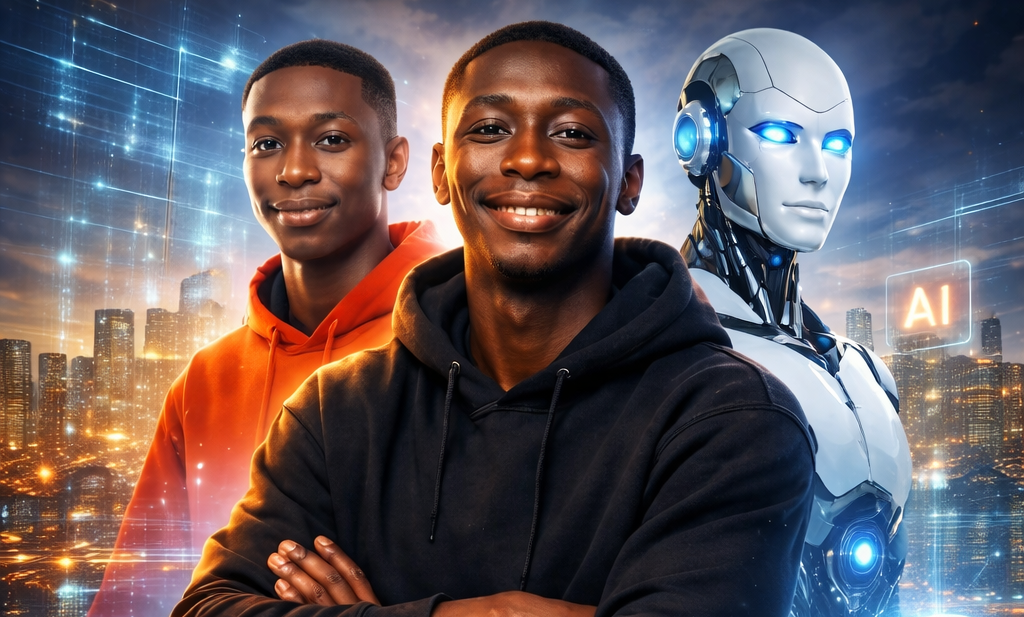
In a move that could redefine the way digital influence is valued, global social media star Khabi Lam has reportedly signed a historic ₹8,961 crore deal with Hong Kong-based AI company Ruch Spark Holdings. The deal, which includes the licensed use of Lame’s digital identity for artificial intelligence-powered applications, is being described as one of the most significant contracts ever signed involving a content creator.
Khabi Lam, known for his witty, humorous responses to highly complex life hacks, went from being a factory worker to one of the most followed personalities on social media in just a few years. His journey symbolizes the power of short-form content and relatability in the digital age. Now, this latest agreement highlights a new phase of growth – not just for Lam, but for influencers around the world.
What the Deal Is About
According to available details, the agreement allows the AI firm to use Khabi Lam’s digital likeness, expression and personality traits for AI-powered content and platforms. This could include virtual avatars, AI-generated videos, interactive brand campaigns and multilingual digital assistants inspired by their personality.
Unlike traditional brand endorsements, this deal is not limited to time zones, physical presence or content schedules. Instead, it turns a creator’s identity into a long-term digital asset that can operate consistently across platforms and markets.
Why This Deal Matters
The scale of the deal has drawn global attention, but its significance goes beyond numbers. This signals a change in the way influence is monetized. Until now, creators largely depended on advertisements, sponsorships and platform revenues. AI-based licensing offers a new revenue stream – one that could potentially last for decades.
For brands and companies, this model provides continuity. AI-powered personas can be deployed globally without the logistical challenges of traditional marketing. For creators, this opens the door to passive, scalable earnings while maintaining ownership and control through structured agreements.
The Rise of Digital Identity as an Asset
This development highlights a growing trend where personal brands are treated like intellectual property. Voices, facial expressions, gestures and behavior patterns are becoming licensable property, like music rights or film franchises.
Experts believe that as AI technology matures, more creators—especially those with strong, recognizable personalities—will seek similar opportunities. However, it also raises important questions around ethics, consent, creative control, and the long-term implications of AI-generated identities.
Impact on the Creator Economy
The Khabi Laem deal could set a benchmark for effective negotiations in the future. Smaller manufacturers may not see contracts of this magnitude, but the model itself may become mainstream. Influencers may soon be able to negotiate AI rights alongside traditional sponsorship streams.
This could also reduce dependence on platform algorithms, giving creators more stability and bargaining power. Plus, it can inspire content creators to think strategically about branding, originality, and long-term value rather than short-term virality.
Concerns and Conversations
While the deal has been widely praised as visionary, it has also sparked debate. Critics argue that excessive AI replication could undermine authenticity or blur the line between real and synthetic personalities. Others are concerned about the misuse or excessive commercialization of personal identities.
These concerns underline the need for strong legal frameworks and transparent contracts. As AI becomes more integrated into media and marketing, clarity around ownership and ethical use will be important.
A Glimpse into the Future
Khabi Laem’s agreement reflects the broader changes underway in the digital world. Impact is no longer limited to screens and sponsorships – it is becoming programmable, scalable, and global by design.
As artificial intelligence reshapes industries, the maker economy is clearly next in line. Whether this model becomes the norm or remains exclusive to top-tier influencers, one thing is certain: the boundaries between technology, identity, and creativity are rapidly evolving.
For now, Khabi Lam’s move is a powerful example of how modern creators can turn personal authenticity into lasting digital capital.